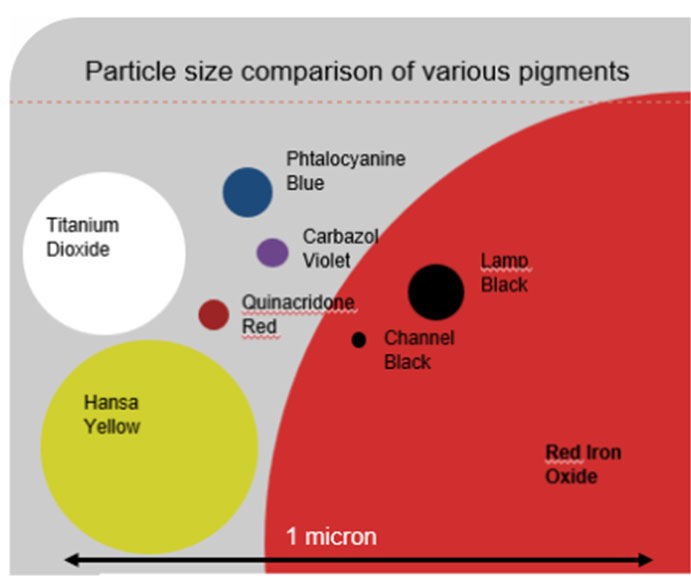
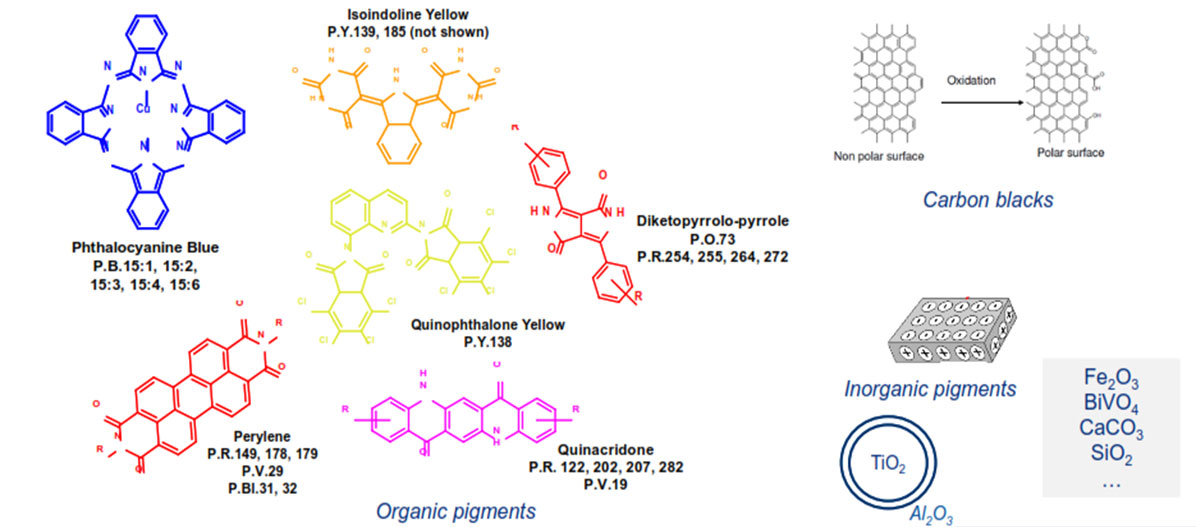
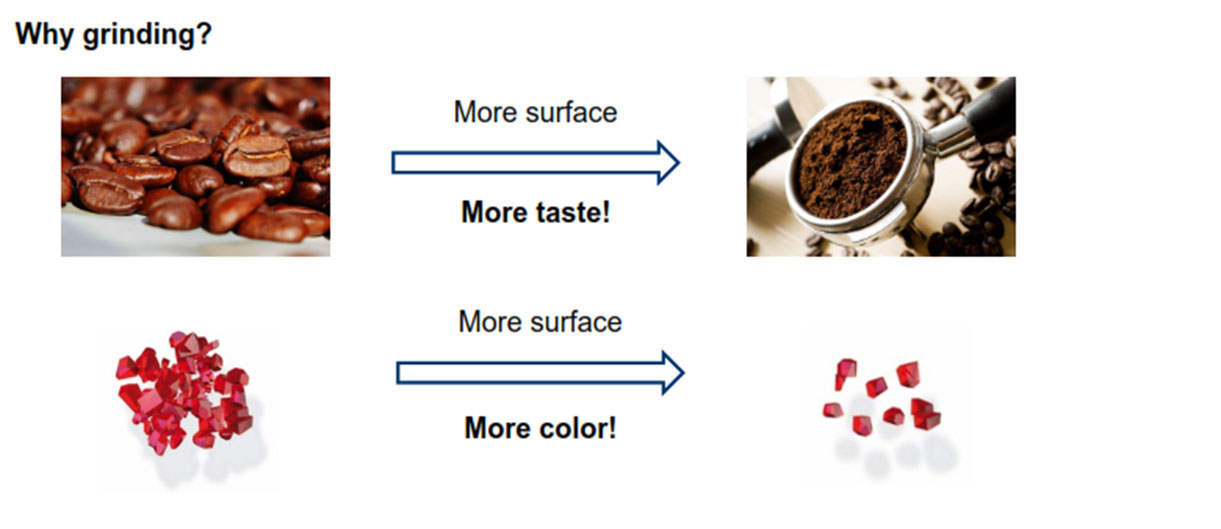
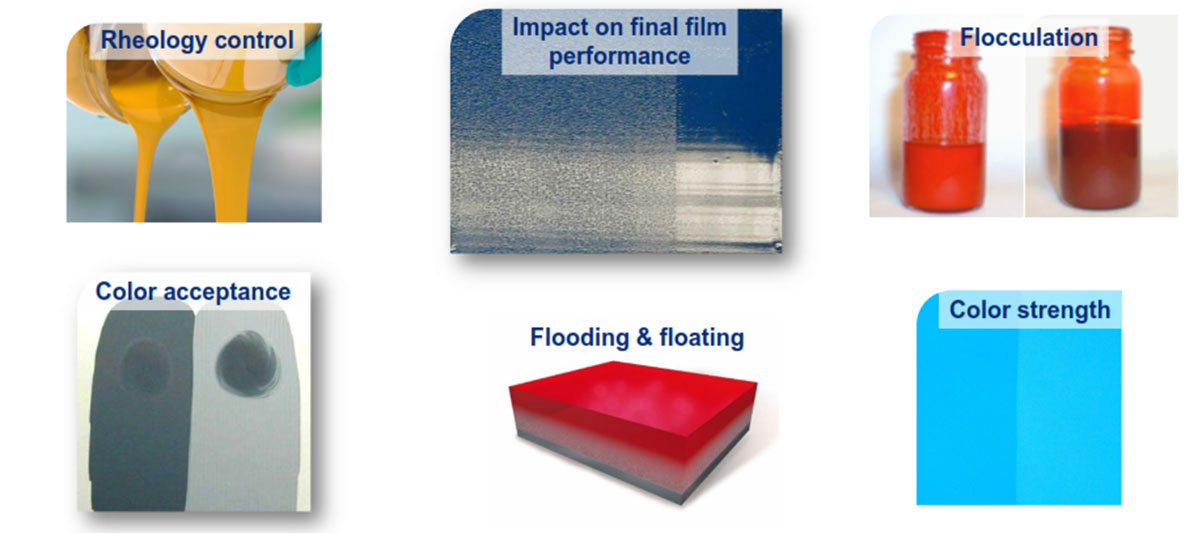
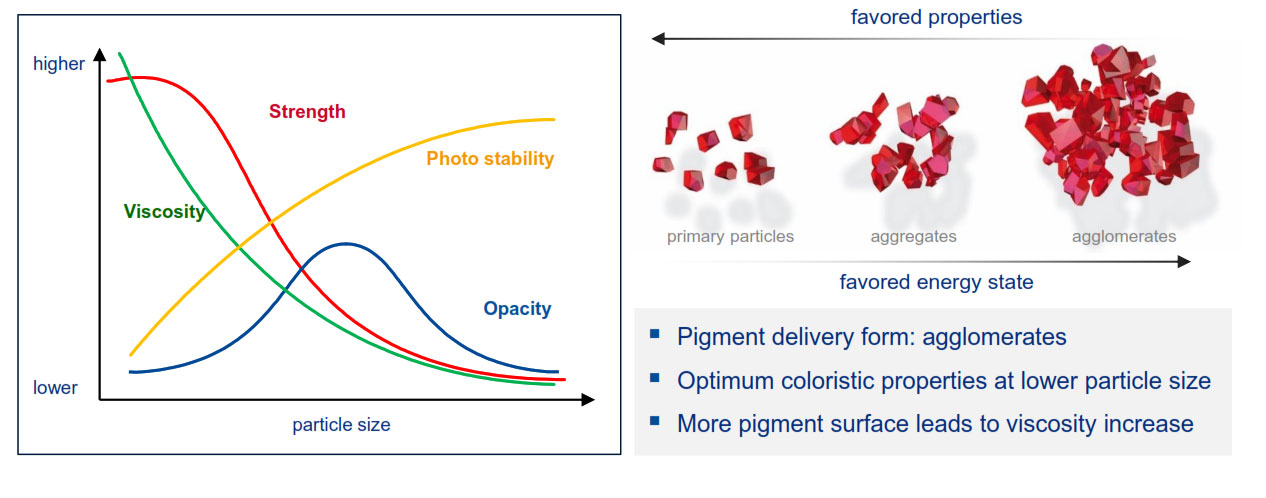
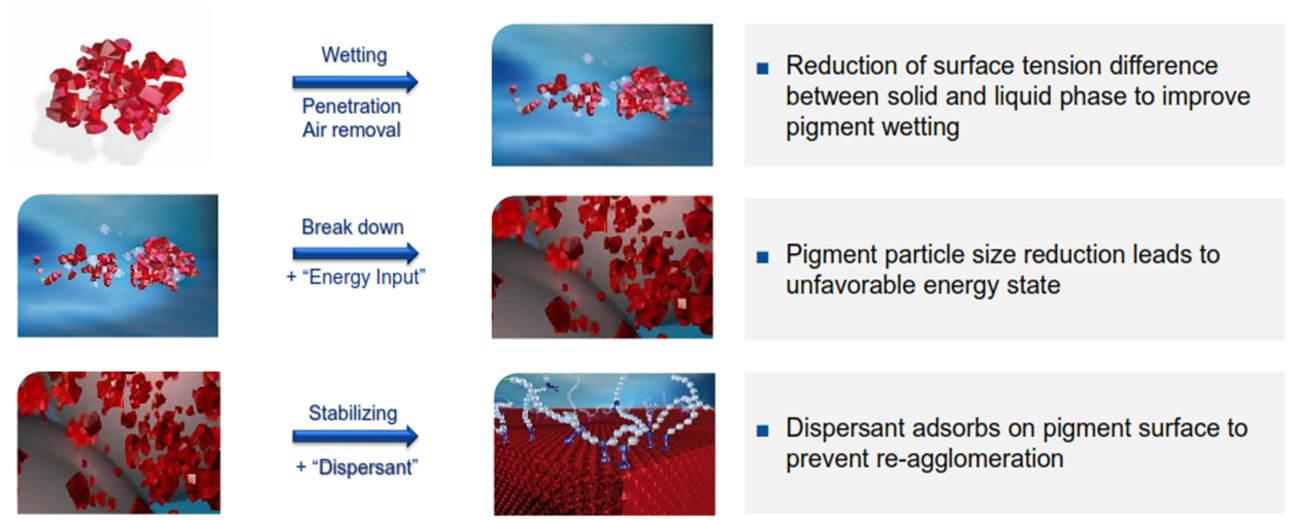
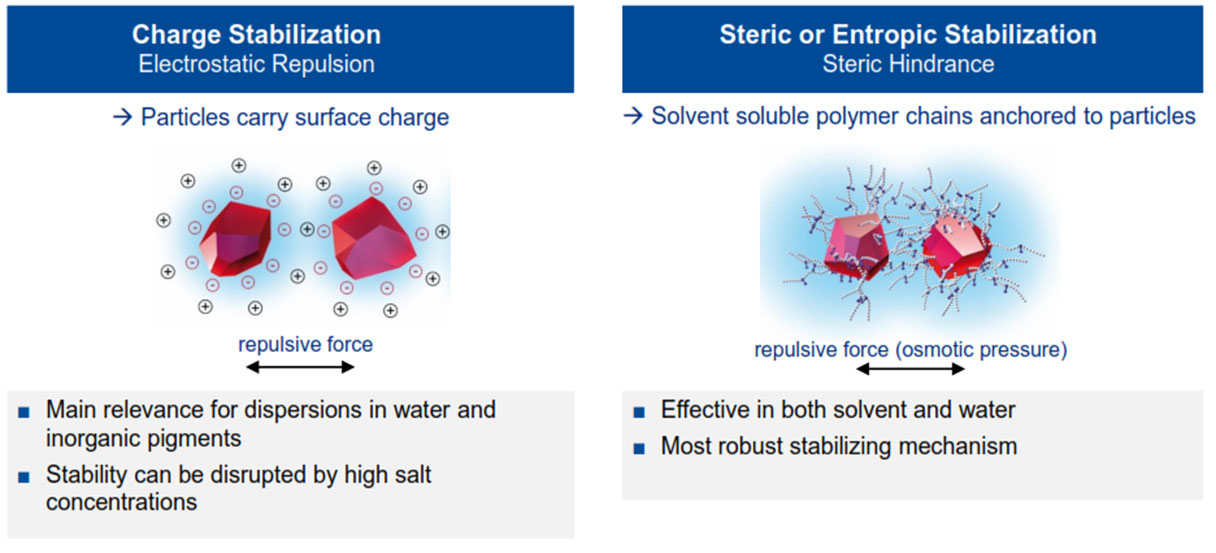
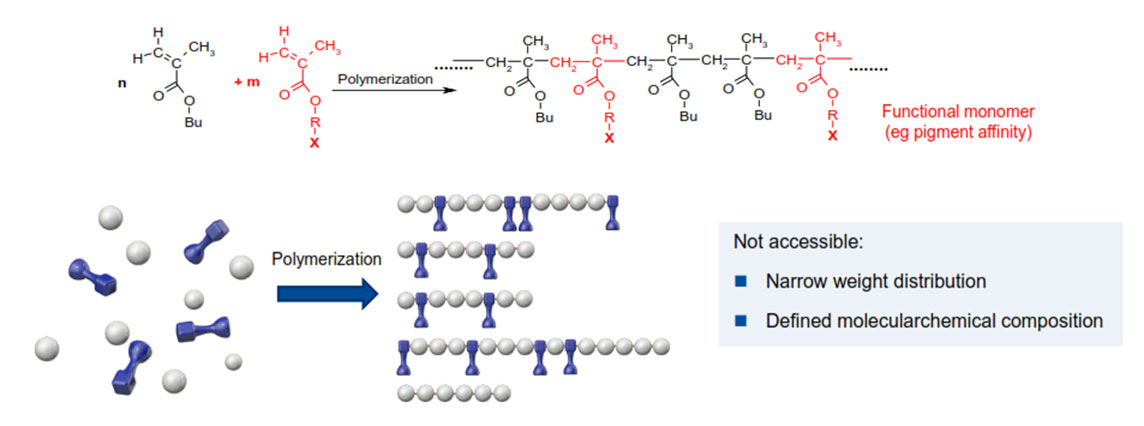
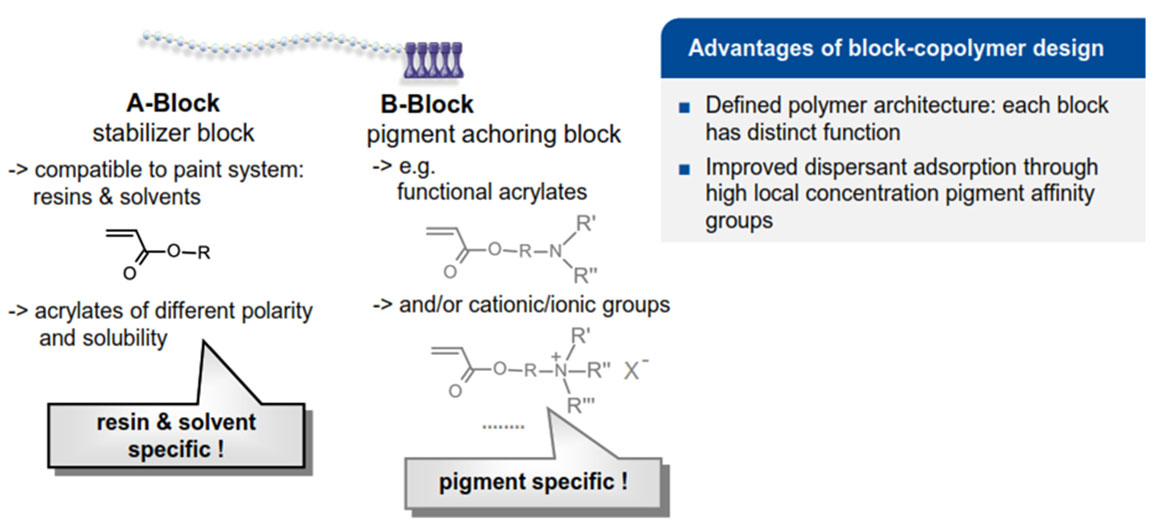
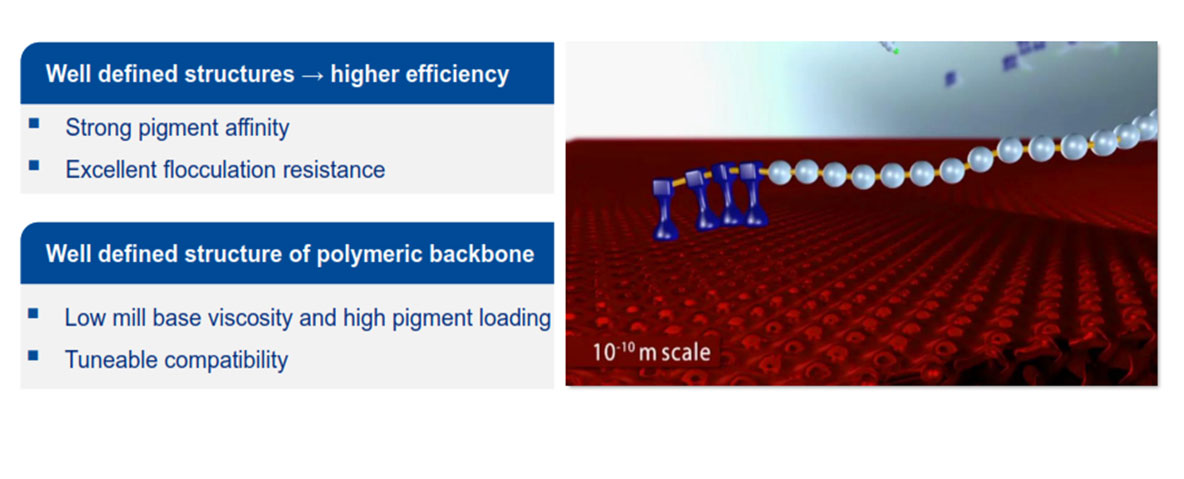
Solvent Based Paint Components Paint and Coatings Additives Wetting & Dispersing AdditivesOther (e.g. antistatic & degassing agents) Rheological modifiers, Anti-SettlingpH controlFreeze-thaw controlMoisture scavengersGel controlOther (e.g. chelating agents, preservatives, biocides) Rheological modifiersFoam ControlSurface-active modifiers to overcome film defects (craters, fish eyes.,…)Other (e.g. Levelling agents, color float) Catalysts and photo inhibitorsDriersCoalescents for latex coatingsOther (e.g., reactive diluents) Adhesion promotersBiocidesStabilizers (heat, UV)PlasticizersOther (impart damage resistance, optical brighteners, flame retardants, …) Chemical Resistance Package Stability Application Film Formation Coating Functionality Additives Small amount but big responsibility. “Additives: small in quantity, decisive in performance.”“They don’t build the coating, they fine-tune its behavior.”Invisible role, visible results. A RANGE OFDISPERSING AGENTSDesigned for variousPIGMENTS Pigments Pigment color is based on its chemistry and crystal structurePigment color strength and dispersion rheology depends on its particle size and shapeThe quality of pigment dispersion affects the color strength, shade, hiding power and transparencyPigments surface may be acidic, basic or neutral Chemistry Pigment chemistries Need for Dispersion The coffee analogy Why Dispersants should be used During the grinding process, mechanical forces break down agglomerates into their primary particles, consuming energy in the process. Theory Three steps: Wetting Breakdown Stabilization Theory Stabilization mechanisms Chemistry Limitations of conventional free radical polymerization Chemistry BlockBenefits of CFRP technology Chemistry Benefits of CFRP technology Secondary Coating Properties Effect on dry film properties